

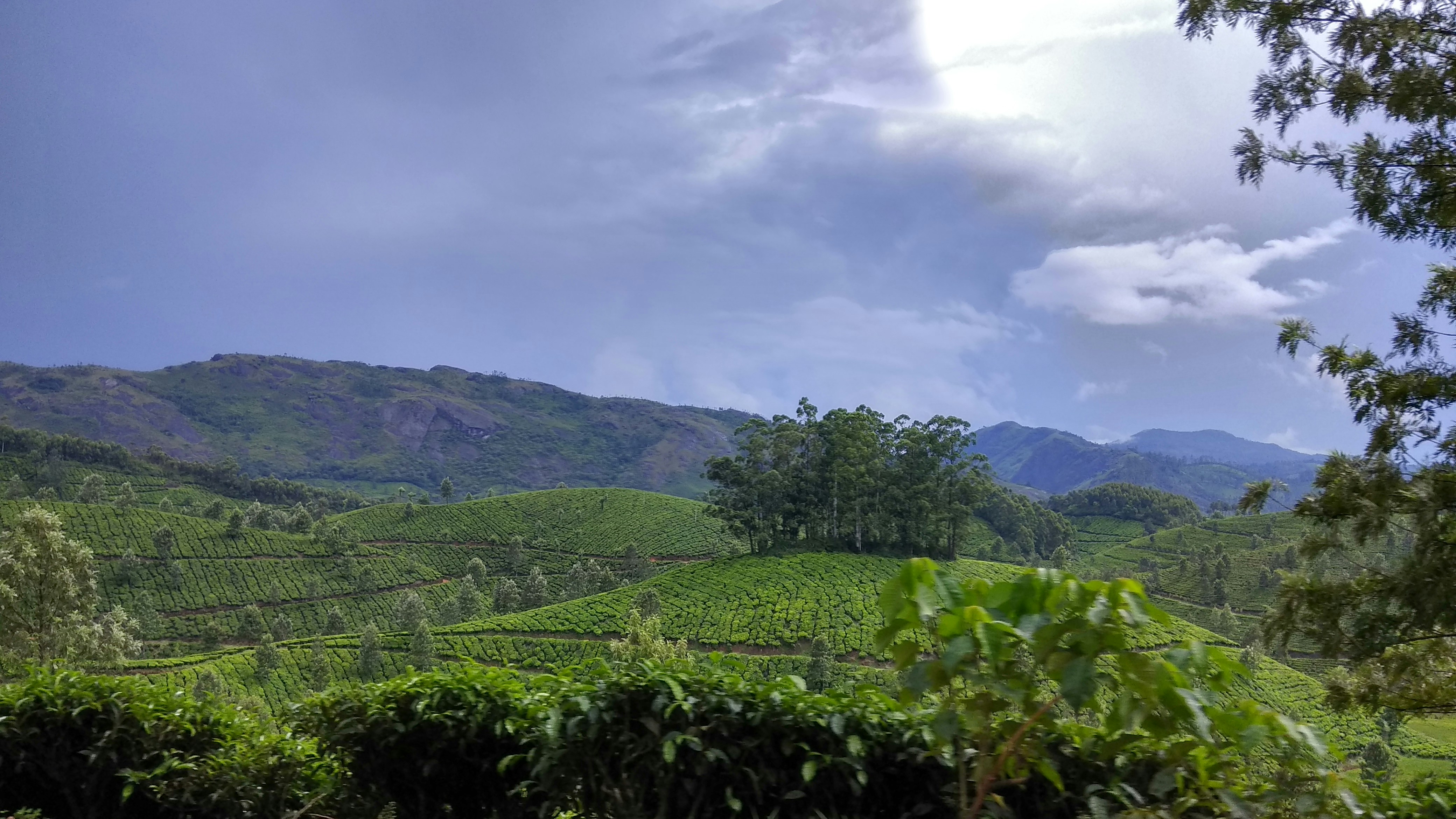
Introduction to Sri Lanka’s Climate
Sri Lanka is renowned for its tropical climate, characterized by warm temperatures and high humidity levels throughout the year. The island nation experiences two distinct monsoon seasons—the South-West Monsoon, which occurs from May to September, and the North-East Monsoon, from December to February. These monsoon winds significantly influence weather patterns, resulting in varied rainfall across different regions of the country. Understanding this climatic variability is essential for travelers seeking the best time to visit Sri Lanka.
Average temperatures in Sri Lanka generally range from 25°C to 30°C (77°F to 86°F) in the coastal areas, while mountainous regions can be cooler, often dipping to as low as 10°C (50°F). The tropical sun can be intense, particularly during the dry periods, prompting visitors to take precautionary measures against sun exposure. As a result, planning a trip requires careful consideration of the regional climate and its seasonal fluctuations to experience the country’s captivating landscapes fully.
Humidity levels can also be quite high in Sri Lanka, averaging around 70-80%. This factor steals some comfort from the sultry atmosphere, especially during the monsoon seasons. Therefore, choosing the right time to visit is crucial to avoid heavy rainfall and to enjoy outdoor activities such as beach excursions, wildlife safaris, and trekking. The dry season, which runs from December to March, is typically considered optimal for travel as it allows visitors to explore the lush scenery, pristine beaches, and rich cultural heritage of Sri Lanka without being hindered by unpredictable weather conditions.
In summary, grasping the nuances of Sri Lanka’s climate is vital for any prospective visitor. By selecting the right month to experience this enchanting destination, travelers can maximize their enjoyment and take full advantage of the myriad experiences the island has to offer.
The Two Monsoon Seasons
Sri Lanka experiences a tropical monsoon climate characterized by two primary monsoon seasons: the Southwest Monsoon and the Northeast Monsoon. Understanding the timing and impact of these monsoons is essential for travelers planning their visit, as they significantly influence regional weather patterns and travel conditions across the island.
The Southwest Monsoon typically occurs from May to September, bringing heavy rainfall primarily to the southwest coast and the western and central highlands. During this period, cities such as Colombo, Galle, and Kandy experience increased humidity and precipitation, making outdoor activities challenging. However, the eastern coast, including areas like Trincomalee and Passekudah, tends to remain relatively dry, making it an attractive destination for beachgoers seeking to escape the rain. Thus, travelers visiting during these months are often advised to consider the eastern regions for better weather conditions.
On the other hand, the Northeast Monsoon occurs from December to February, affecting the northeastern parts of Sri Lanka. This monsoon brings cooler weather and rainfall primarily to the eastern coast, while the southwest areas experience drier conditions. Destinations such as Jaffna and Batticaloa are ideal for visitations during this season. The calm seas and pleasant temperatures make it perfect for water sports and beach excursions.
Consequently, understanding these two monsoon seasons is vital for visitors wanting to make the most of their trip to Sri Lanka. By planning travel itineraries according to these weather patterns, tourists can enjoy favorable climate conditions while exploring the diverse attractions the island has to offer.
Peak Tourist Seasons: When Are They?
Sri Lanka is a tropical paradise that attracts a multitude of tourists each year, particularly during its peak seasons. The months from December to March are regarded as the prime period for travel to this beautiful island, with travelers keen on experiencing its stunning landscapes, rich culture, and incredible wildlife. Many factors contribute to the influx of visitors during this time, including the favorable weather conditions, unique festivals, and a variety of outdoor activities that become available.
During these peak months, the weather in Sri Lanka is characteristically dry and pleasant, making it perfect for beach vacations, wildlife safaris, and cultural explorations. Travelers are often drawn to the coastal regions, as the warm temperatures make the beaches inviting and enjoyable. Tourists can indulge in activities such as scuba diving, snorkeling, and sunbathing without the worry of rain disrupting their plans.
Accommodations during peak tourist seasons tend to be in high demand, resulting in increased prices. Visitors often need to book their stays well in advance to secure their preferred hotels or guesthouses, especially in popular regions like Colombo, Galle, and Kandy. Additionally, many restaurants and leisure activities may also raise their rates due to the high volume of tourists. This increased demand can lead to crowded attractions, making early bookings even more critical for a hassle-free experience.
The peak season in Sri Lanka not only emphasizes tourism but also showcases local festivities such as Christmas and the New Year celebrations. These events add to the vibrant atmosphere, drawing in both local and international visitors who seek to immerse themselves in the local culture and traditions. Overall, planning a trip to Sri Lanka during the high season ensures that travelers can enjoy all that this beautiful island has to offer in a lively and engaging environment.
Off-Peak Travel Benefits
Traveling to Sri Lanka during the off-peak season, particularly from April to November, presents numerous advantages that are often overlooked by tourists who prefer peak travel months. One of the most significant benefits is the reduction in crowd sizes at popular attractions. During the off-peak period, one can explore iconic sites such as the ancient city of Sigiriya or the picturesque beaches of Galle with far fewer visitors. This not only enhances the experience by allowing for a more intimate exploration but also facilitates better photography opportunities, as the scenery is less cluttered.
Moreover, traveling off-peak tends to be more affordable. Accommodation rates often decrease significantly during this period, and various travel operators offer promotional deals that can make a trip more budget-friendly. For those looking to participate in activities such as safaris in Yala National Park or diving in Trincomalee, off-peak travel often means lower costs and exclusive offers that are not available during busier seasons. Additionally, flights to Sri Lanka are generally cheaper, contributing to overall savings for travelers.
Another advantage of visiting during off-peak months is the opportunity to engage with local culture on a deeper level. Tourists can experience traditional festivals, local events, and unique customs that may be overshadowed in the bustling peak season. This allows for meaningful interactions with locals and a richer travel experience. Furthermore, one can discover hidden gems and lesser-known attractions that are typically absent from tourist itineraries, providing a more authentic impression of Sri Lankan life.
In conclusion, choosing to travel to Sri Lanka during the off-peak season from April to November can offer a more enriching and cost-effective experience compared to the peak months. The advantages of exploring less crowded attractions, enjoying financial savings, and engaging in local culture contribute to a memorable journey.
Best Months for Wildlife Enthusiasts
Sri Lanka is renowned for its rich biodiversity, making it an ideal destination for wildlife enthusiasts. The best months to visit for wildlife observation largely depend on the regions and species of interest. One of the most remarkable events is the Great Elephant Gathering at Minneriya National Park, which typically occurs between July and September. During this period, hundreds of elephants migrate to the Minneriya tank, easily observable from designated viewpoints. As the dry season sets in, water levels decrease in surrounding areas, attracting elephants seeking hydration and food.
In addition to elephants, the months from November to April present unique opportunities for whale watching off the southern coast, particularly near Mirissa and Trincomalee. This period encompasses the migratory routes of blue whales and sperm whales, providing spectacular sighting chances. During these months, boat tours often report a high frequency of encounters with these magnificent marine creatures, making it a prime time for those wishing to observe them in their natural habitat.
For birdwatching enthusiasts, the months from November to February are considered optimal. These months align with peak migratory seasons for various bird species, including many that come from Europe and Asia to spend the winter in Sri Lanka. The diverse habitats across the island attract a plethora of resident and migratory birds, enhancing the experience for avian observers. National parks such as Bundala and Yala become particularly vibrant during this time, presenting an array of bird species ranging from flamboyant peacocks to numerous shorebirds.
Overall, timing your visit to Sri Lanka according to its wildlife calendar ensures a rewarding experience. By aligning your trip with these critical months, you can immerse yourself in the unique natural heritage that the island offers, making the most of your wildlife adventures.
Best Months for Surfing and Water Sports
Sri Lanka is renowned for its breathtaking coastline and favorable conditions for surfing and various water sports. The ideal months for these activities largely depend on the geography of the region, particularly on the east and south coasts, where different seasonal conditions come into play. For surfing enthusiasts, the best time to ride the waves in Arugam Bay, which is famously recognized as one of the best surf spots in the world, is from April to October. During these months, the swell is consistent, and the waves can reach impressive heights, appealing to both beginners and more experienced surfers.
Meanwhile, Hikkaduwa, located on the southwestern coast, offers optimal surfing conditions from November through April. During this period, the weather is relatively dry, and the wind direction is favorable, resulting in cleaner and more manageable waves. The water temperature in Hikkaduwa typically hovers around a comfortable 27 to 30 degrees Celsius, making it pleasant for extended periods in the water, whether you are surfing, snorkeling, or engaging in other aquatic activities.
For those interested in water sports beyond surfing, the months of March to November are particularly favorable for activities such as scuba diving and snorkeling. The visibility is excellent during this time, especially on both coasts. The vibrant coral reefs and abundant marine life make these experiences even more rewarding. Additionally, kitesurfing enthusiasts will find the best conditions on the east coast from May to September when the winds are optimal, ensuring thrilling experiences on the water.
In summary, understanding the seasonal wave conditions and water temperatures will greatly enhance your experience in Sri Lanka’s surf spots and marine sports. Planning visits around these months will ensure not only enjoyable water sports activities but also a memorable trip to this exquisite island nation.
Cultural Festivals and Events in Sri Lanka
Sri Lanka, a nation rich in culture and history, hosts a variety of vibrant festivals throughout the year that attract both local and international visitors. One of the most significant cultural events in the country is the Esala Perahera, which takes place in July or August. This spectacular procession occurs in Kandy, honoring the Sacred Tooth Relic of the Buddha. The festival combines traditional rituals with a dazzling display of color, featuring beautifully adorned elephants, traditional dancers, and drummers. Attending the Esala Perahera allows travelers to witness the deep-rooted spiritual and cultural significance embedded in Sri Lankan society.
Another noteworthy celebration is the Sinhala and Tamil New Year, celebrated in mid-April. This festival marks the end of the harvest season and is also known as “Aluth Avurudhu.” The customs associated with this event reflect the rich traditions of both the Sinhala and Tamil communities. Festivities include the preparation of traditional foods, engaging in cultural games, and participating in rituals to signify a fresh start. This period offers visitors a unique opportunity to engage with the local population as families come together to celebrate, making it an enriching experience.
Apart from these major festivals, Sri Lanka hosts numerous smaller cultural events and celebrations throughout the year, each reflecting the diverse traditions of its ethnic communities. By aligning travel plans with such festivities, tourists can deeply engage with Sri Lankan culture, gaining insights into the values and beliefs that shape the island’s heritage. The festive atmosphere and the warmth of the local people significantly enhance the travel experience, allowing visitors to garner lasting memories of their time in this beautiful country.
Travel Recommendations by Region
Sri Lanka, with its diverse landscapes and climates, offers unique experiences across various regions throughout the year. Understanding the best months to visit specific areas can enhance your trip significantly. The country can be divided into three primary regions: the Cultural Triangle, the Hill Country, and the Coastal Regions, each providing distinct activities and attractions depending on the season.
The Cultural Triangle, which includes prominent historical sites such as Anuradhapura, Polonnaruwa, and Sigiriya, is best visited from May to September. During these months, the weather is relatively dry, allowing for comfortable exploration of the ancient cities and UNESCO World Heritage sites. Visitors can enjoy cultural festivals and local events, which are abundant during this time, enriching the travel experience.
The Hill Country, celebrated for its lush plantations and cooler temperatures, is ideally explored between December and March. This period offers pleasant weather, perfect for activities like hiking, tea plantation tours, and visiting the picturesque towns of Nuwara Eliya and Ella. The scenic beauty of the hills, coupled with the vibrant flora, makes this season particularly special for travelers seeking both adventure and tranquility.
In contrast, the Coastal Regions are beautifully warm and inviting from November to April, with excellent conditions for beach-related activities. The southern and western coasts, including popular destinations like Galle and Bentota, boast stunning beaches and vibrant marine life. This timeframe also aligns with the whale watching season off the southern coast, making it a favorable period for nature enthusiasts.
Ultimately, selecting the right time to visit each region of Sri Lanka ensures an enriching experience filled with exploration, cultural immersion, and unforgettable memories. Understanding the seasonal variations allows travelers to plan their itineraries effectively, maximizing enjoyment in this beautiful island nation.
Conclusion: Making Your Decision
Choosing the best time to visit Sri Lanka involves several considerations, including climatic conditions, regional festivities, and personal preferences. Throughout this guide, we have highlighted various months that display unique characteristics suited for different types of travelers. For those seeking to indulge in cultural experiences, visiting during the local festivals, which typically occur between April and August, can significantly enhance the overall travel experience.
In contrast, if you prioritize enjoying beach vacations under clear skies, the months of December to March might be more appealing. During this period, coastal areas are at their best, providing the ideal setting for sunbathing, swimming, and engaging in water sports. Additionally, the dry season in the central highlands between December and March makes this time an excellent choice for hiking and exploring the scenic tea plantations.
It is essential to align your travel intentions with the seasonality of Sri Lanka, as this will greatly influence your experience. The country’s diverse climate zones mean that while one region may be experiencing monsoon rains, another could be basking in the sun. Personal interests play a crucial role in this decision-making process, whether it involves wildlife safaris, historical tours, or simply relaxing at the beach. Ultimately, determining the best month to visit hinges on weighing these factors against your individual expectations and interests.
By carefully considering the insights provided in this guide, you will be better equipped to make an informed decision. Tailoring your travel plans to match the seasonal attributes of Sri Lanka will undoubtedly enhance your experience, allowing you to fully appreciate the island’s rich cultural tapestry and natural beauty.