

Exploring the Coldest Month in Sri Lanka: A Comprehensive Guide

Exploring the Coldest Month in Sri Lanka: A Comprehensive Guide

Exploring the Coldest Month in Sri Lanka: A Comprehensive Guide

Introduction to Sri Lanka’s Climate

Sri Lanka, an island nation located in the Indian Ocean, is characterized by a tropical climate that significantly influences its ecological diversity and cultural practices. The climate is primarily defined by its two distinct monsoon seasons, the southwest monsoon from May to September and the northeast monsoon from December to February. These monsoons contribute to the general weather patterns, including temperature fluctuations and humidity variations throughout the year.

The average temperature in Sri Lanka generally ranges between 27°C and 32°C (80°F to 90°F) in coastal regions, while interior regions can experience even higher temperatures. However, during certain months, such as December and January, a noticeable drop in temperatures can be observed, particularly in the highland areas. This seasonal coolness is a result of geographical elevation and varying wind patterns. Additionally, factors such as proximity to the ocean and altitude play a significant role in temperature and humidity levels, creating microclimates across the island.

Humidity levels in Sri Lanka are typically high, often exceeding 70%, due to the considerable amounts of rainfall brought by the monsoon seasons. High humidity contributes to the lush vegetation and diverse ecosystems present in the country. Nevertheless, areas that experience cooler weather during specific months may offer a reprieve from the usual humidity, making it a significant factor for visitors and residents alike. Understanding the overarching climate framework is essential for grasping the nuances tied to Sri Lanka’s coldest month, allowing for informed travel planning and local engagement.

Understanding Climate Zones in Sri Lanka

Sri Lanka, an island nation located in the Indian Ocean, showcases a remarkably diverse range of climate zones influenced by its geographical features and topographical variations. The country’s climate is primarily categorized into three distinct zones: coastal areas, hill country, and dry zones. Each zone exhibits unique temperature patterns and climatic conditions, which can significantly affect local weather.

The coastal areas of Sri Lanka experience a tropical climate, characterized by warm temperatures and high humidity throughout the year. This region, which includes popular tourist destinations such as Colombo and Galle, tends to have minimal temperature fluctuations, with average daily temperatures generally hovering around 27-32°C. However, during the colder months, typically from December to February, these coastal regions undergo slight temperature drops, marking the coldest month for many, albeit not significantly cold by global standards.

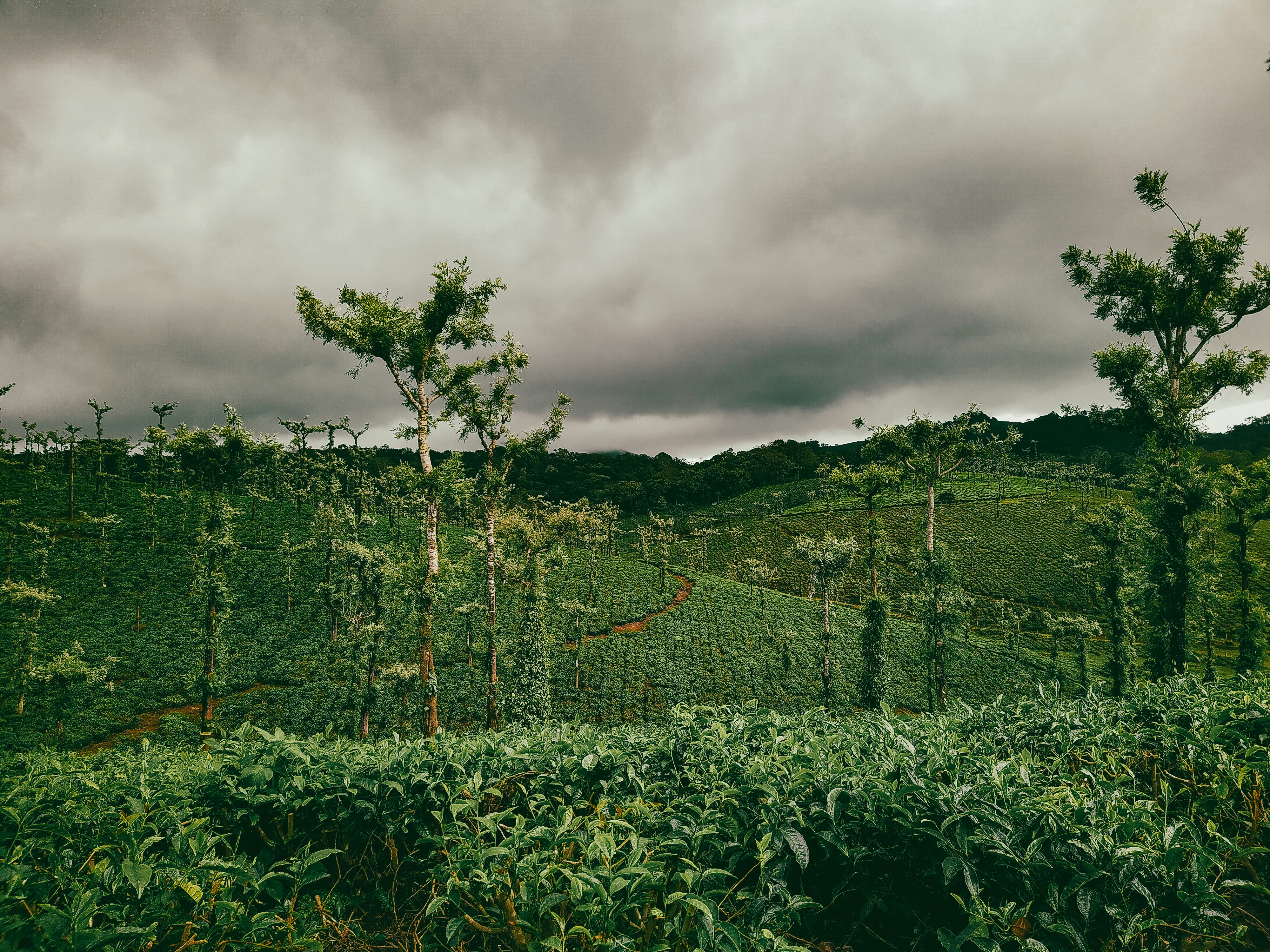
In stark contrast, the hill country of Sri Lanka—home to the famed tea plantations and picturesque landscapes—experiences a cooler temperate climate due to its elevated altitude. As the elevation increases, temperatures can significantly decrease, with areas like Nuwara Eliya and Kandy often witnessing average temperatures ranging from 10-20°C during their coldest month, typically in January. The cooler climate in these regions is notably influenced by geographical elevation, showcasing the stark divide within the island’s climatic zones.

Additionally, Sri Lanka encompasses dry zones primarily located in the northern and eastern parts of the country. These areas experience arid conditions, with temperatures often exceeding 30°C during the day. Rainfall is significantly less prevalent than in other regions, and during the colder months, a slight respite can be observed, yet the temperatures remain comparatively high, emphasizing the climatic diversity present within the nation. Understanding these climate zones is essential for identifying the coldest month in various regions of Sri Lanka, enabling residents and visitors alike to prepare adequately for varying weather conditions.

Monthly Temperature Trends in Sri Lanka

Sri Lanka, known for its tropical climate, experiences a diverse range of temperatures throughout the year. The island’s climatic variations can be attributed to its geographical location and topography. Generally, the average monthly temperatures exhibit a consistent pattern, influenced by the monsoon seasons and altitudinal changes across different regions. This section aims to outline the average temperatures for each month and highlight the trends indicating cooler weather during certain periods.

Typically, the warmest months in Sri Lanka occur from March to May, with average temperatures ranging between 28°C to 32°C. As the southwest monsoon sets in by May, temperatures begin to moderate slightly, creating a transitional phase into cooler weather. June and July often experience average temperatures of 27°C to 30°C, making them relatively more pleasant due to increased rainfall and cloud cover.

As we move into August and September, the weather remains temperate, with averages still hovering around 27°C. However, it is during October that you may start to notice a more significant dip in temperatures. The misty highlands begin to experience cooler conditions, particularly in regions such as Nuwara Eliya, where the average temperature can plummet to around 18°C. November heralds the official onset of the cooler season in much of the country, with average temperatures ranging from 24°C to 28°C.

December and January mark the peak of the cooler months in Sri Lanka, especially in the central highlands, where temperatures can drop even lower. On the coast, the average temperature remains mild, featuring averages of 25°C to 27°C. These temperature trends not only illustrate the colder months in the country but also reflect the varying climate zones, influencing tourism and agriculture. Understanding these patterns is vital for both residents and visitors seeking to enjoy the country’s unique climate.

Identifying the Coldest Month: December to February

Sri Lanka, known for its tropical climate, experiences variations in temperature influenced by geographical factors and seasonal changes. Typically, the coldest months in Sri Lanka range from December to February. During this period, temperatures across the island can lower to more moderate levels, providing a respite from the usual warm conditions. The average temperatures for these months generally hover around 20°C to 26°C in the highland areas, particularly in places like Nuwara Eliya and Kandy, which are renowned for their cooler climates.

One of the primary contributors to these lower temperatures is the northeastern monsoon, which affects Sri Lanka between November and February. This monsoon brings moisture-laden winds that lead to increased cloud cover and precipitation in several regions, particularly in the northeast of the country. The presence of clouds not only contributes to rainfall, but it also acts to insulate the surface, preventing the sun’s heat from significantly raising temperatures during the day. Additionally, the cooler nights are a result of reduced solar heating as the sun’s position changes during these months.

Geographic variations also play a significant role in determining the coldest month. The central highlands of Sri Lanka experience significant temperature drops compared to the coastal areas. Locations such as Ella and Horton Plains can experience particularly chilly conditions as altitudes increase. In contrast, the low-lying coastal regions maintain a warmer temperature, often ranging from 24°C to 30°C. Consequently, while December to February marks the coldest period in Sri Lanka, it is essential to acknowledge how regional factors influence individual experiences of temperature during these months, creating a unique climate dynamic across the island.

Regional Variations in Coldest Month Experience

The experience of the coldest month in Sri Lanka can notably differ depending on the region, as geographical features influence local weather patterns and climates. One of the most significant areas is the Hill Country, renowned for its cooler temperatures and misty landscapes. During the coldest month, typically in January, the temperatures in places like Nuwara Eliya and Ella can drop to around 10°C (50°F) at night, making it essential for locals and tourists alike to dress warmly. This sudden drop in temperature draws tourists looking to escape the heat of the coastal regions, often leading to increased local business for lodging and cuisine tailored to the colder climate.

In contrast, the Coastal Areas of Sri Lanka generally maintain a warmer climate even during the coldest month. Cities such as Colombo and Galle experience mild weather, with average temperatures ranging from 24°C to 30°C (75°F to 86°F). The relatively stable and pleasant climate attracts a multitude of tourists seeking sun and beach activities, ensuring that coastal tourism remains robust year-round. The warm waters of the Indian Ocean continue to entice beachgoers and water sports enthusiasts despite the calendar marking the coldest month.

Furthermore, the Northern region of Sri Lanka, particularly areas such as Jaffna, can also present unique characteristics during this time. While it may not chill to the extent of the Hill Country, January still sees a mild coolness with average temperatures around 22°C (72°F). This provides a refreshing environment for the local populace and visiting tourists, who explore cultural sites and enjoy community gatherings. In summary, understanding these regional variations is crucial for comprehending how the coldest month in Sri Lanka facilitates different lifestyles and activities across the island, impacting both daily life and tourism significantly.

Cultural and Seasonal Significance of the Coldest Month

In Sri Lanka, the coldest month typically falls in December, aligning with the onset of the northeast monsoon season. This month not only marks a significant climatic shift but also plays a vital role in the rich tapestry of Sri Lankan culture. The cooler temperatures, particularly in the hill country, influence various cultural events and festivals that resonate with both locals and tourists alike.

One of the prominent festivals celebrated during this time is the Christmas festival, where cities are adorned with vibrant decorations, and various community events take place. In Sri Lanka, a majority of the population embraces this festive spirit, regardless of religious affiliation, thereby enhancing the sense of communal harmony. The cooler evenings provide a perfect backdrop for social gatherings, family reunions, and festive celebrations that take place across the island.

Additionally, the agricultural practices in Sri Lanka are notably shaped by the colder weather. Farmers typically initiate the harvesting of crops such as paddy, which flourishes in the cooler temperatures. This period marks a pivotal time for agricultural festivals, where communities celebrate their yields and pay homage to their farming traditions. One such festival is the “Pongal,” which is primarily celebrated in January, yet its preparation begins in the colder months, reflecting the integral connection between culture and climate.

Tourism also flourishes during this period as visitors are drawn to the cooler weather, providing a welcome respite from the tropical heat experienced in earlier months. Places like Nuwara Eliya, often referred to as ‘Little England’, witness an influx of tourists seeking to experience the unique local culture interwoven with seasonal festivities. Such interactions promote a deeper understanding of Sri Lankan traditions, further enriched by the cooler climate. Overall, the cultural and seasonal significance of the coldest month in Sri Lanka transcends mere temperature, impacting agriculture, community events, and tourism in profound ways.

Traveling to Sri Lanka During the Coldest Month

Travelers considering a visit to Sri Lanka during its coldest month can expect a unique experience, characterized by pleasant weather and a range of engaging activities. The coldest month typically occurs in December, when temperatures dip slightly, particularly in the higher altitudes. During this time, the average temperature in lowland areas hovers around 25°C (77°F), while mountainous regions might experience cooler temperatures dropping to as low as 10°C (50°F). This weather provides a refreshing break from the tropical heat, making it an ideal period for exploration.

When planning your itinerary, it is advisable to focus on exploring the hill country, specifically regions such as Nuwara Eliya and Ella. Known for their breathtaking landscapes, tea plantations, and cool breezes, these areas offer numerous trekking opportunities. Additionally, visiting waterfalls like the famous Nine Arches Bridge can be incredibly rewarding amid the cooler climate. In contrast, cities like Kandy and Galle are also worth visiting as they provide rich cultural experiences that are more enjoyable in the milder temperatures.

Outdoor activities such as hiking, wildlife safaris in Yala National Park, and visits to ancient temples are particularly pleasant when temperatures are cooler. December is also an excellent month for enjoying Sri Lanka’s diverse flora and fauna, as many animals are more active during this period. Travelers will appreciate engaging in these scenic adventures while avoiding the oppressive heat typically associated with summer months.

In preparation for your trip, it’s important to bring layers, as the temperature can vary significantly between day and night. Enjoying Sri Lanka during its coldest month can provide travelers with an enriching experience, highlighting the country’s natural beauty and cultural richness.

Impact of Climate Change on Temperature Patterns

Climate change is an ever-evolving global phenomenon, and its impact on temperature patterns is particularly pronounced in regions like Sri Lanka. Traditionally, December is considered the coldest month, with average temperatures typically hovering between 17°C and 25°C. However, recent observations and scientific studies indicate shifts in these established patterns, attributed primarily to climate change influences.

According to the Sri Lankan Meteorological Department, rising global temperatures have led to noticeable changes in weather patterns, including an increase in average temperatures throughout the year. Data from the past few decades suggest that the transitional seasons, namely the inter-monsoon periods and winter months, are being affected significantly. Warmer temperatures during these times may result in former cold months being redefined, potentially leading to variations in what is now understood to be the coldest month in Sri Lanka.

Additionally, seasonal rainfall patterns have also been altered. The island has experienced erratic rainfall, with more intense and frequent showers in some areas and drought conditions in others. This unpredictability correlates with rising climate variability and has implications for agricultural productivity, biodiversity, and overall environmental health. The Intergovernmental Panel on Climate Change (IPCC) suggests that, without significant mitigation efforts, the average temperature in Sri Lanka could rise by up to 1.5°C to 2°C by the year 2050.

Future projections indicate that even slight changes in temperature, alongside altered precipitation patterns, may lead to shifts in ecosystems and habitats. These changes could affect local flora and fauna and potentially alter human comfort levels during what is currently seen as the cooler season. As awareness of climate change grows, it is crucial to monitor these variations closely to understand their broader implications on climate patterns in Sri Lanka.

Conclusion: Embracing the Coldest Month in Sri Lanka

The coldest month in Sri Lanka offers a unique perspective on the country’s climate and cultural landscape. Typically occurring in January, this month is characterized by cooler temperatures, particularly in the highlands and mountainous regions, which significantly differ from the tropical weather that most visitors associate with the island. The lower temperatures provide an ideal backdrop for exploring the diverse flora and fauna, as well as engaging in outdoor activities such as hiking, which are particularly appealing during this time.

Culturally, the colder month serves as a time of celebration for various festivals, where locals take pride in showcasing their heritage through dances, music, and traditional food. Events during this month allow visitors to immerse themselves in authentic Sri Lankan culture, offering a chance to connect with local customs and traditions that may not be as prominent in the warmer months. Experiencing the vibrant local festivities amid cooler climates adds another layer to understanding the rich cultural tapestry of Sri Lanka.

Traveling to Sri Lanka during its coldest month not only presents a different climate but also an opportunity to enjoy the country’s natural beauty in a more comfortable setting. Visitors can take advantage of the pleasant weather to explore lush tea plantations, serene landscapes, and stunning architecture while avoiding the sweltering heat typical of other times of the year. This time of year can enhance the overall travel experience, making it memorable for both adventure seekers and cultural enthusiasts alike.

In conclusion, embracing the coldest month in Sri Lanka allows one to appreciate the distinct seasonal variations that impact life on the island. This period highlights the importance of climate in shaping cultural practices and travel experiences, inviting travelers to explore an often-overlooked facet of Sri Lankan life. Whether it’s through witnessing traditional celebrations or enjoying outdoor activities, the colder month is indeed a noteworthy time to visit this captivating destination.
The Best Month to Visit Sri Lanka: A Comprehensive Guide

The Best Month to Visit Sri Lanka: A Comprehensive Guide

Home » Archives for Explore In Lanka
The Best Month to Visit Sri Lanka: A Comprehensive Guide

Introduction to Sri Lanka’s Climate

Sri Lanka is renowned for its tropical climate, characterized by warm temperatures and high humidity levels throughout the year. The island nation experiences two distinct monsoon seasons—the South-West Monsoon, which occurs from May to September, and the North-East Monsoon, from December to February. These monsoon winds significantly influence weather patterns, resulting in varied rainfall across different regions of the country. Understanding this climatic variability is essential for travelers seeking the best time to visit Sri Lanka.

Average temperatures in Sri Lanka generally range from 25°C to 30°C (77°F to 86°F) in the coastal areas, while mountainous regions can be cooler, often dipping to as low as 10°C (50°F). The tropical sun can be intense, particularly during the dry periods, prompting visitors to take precautionary measures against sun exposure. As a result, planning a trip requires careful consideration of the regional climate and its seasonal fluctuations to experience the country’s captivating landscapes fully.

Humidity levels can also be quite high in Sri Lanka, averaging around 70-80%. This factor steals some comfort from the sultry atmosphere, especially during the monsoon seasons. Therefore, choosing the right time to visit is crucial to avoid heavy rainfall and to enjoy outdoor activities such as beach excursions, wildlife safaris, and trekking. The dry season, which runs from December to March, is typically considered optimal for travel as it allows visitors to explore the lush scenery, pristine beaches, and rich cultural heritage of Sri Lanka without being hindered by unpredictable weather conditions.

In summary, grasping the nuances of Sri Lanka’s climate is vital for any prospective visitor. By selecting the right month to experience this enchanting destination, travelers can maximize their enjoyment and take full advantage of the myriad experiences the island has to offer.

The Two Monsoon Seasons

Sri Lanka experiences a tropical monsoon climate characterized by two primary monsoon seasons: the Southwest Monsoon and the Northeast Monsoon. Understanding the timing and impact of these monsoons is essential for travelers planning their visit, as they significantly influence regional weather patterns and travel conditions across the island.

The Southwest Monsoon typically occurs from May to September, bringing heavy rainfall primarily to the southwest coast and the western and central highlands. During this period, cities such as Colombo, Galle, and Kandy experience increased humidity and precipitation, making outdoor activities challenging. However, the eastern coast, including areas like Trincomalee and Passekudah, tends to remain relatively dry, making it an attractive destination for beachgoers seeking to escape the rain. Thus, travelers visiting during these months are often advised to consider the eastern regions for better weather conditions.

On the other hand, the Northeast Monsoon occurs from December to February, affecting the northeastern parts of Sri Lanka. This monsoon brings cooler weather and rainfall primarily to the eastern coast, while the southwest areas experience drier conditions. Destinations such as Jaffna and Batticaloa are ideal for visitations during this season. The calm seas and pleasant temperatures make it perfect for water sports and beach excursions.

Consequently, understanding these two monsoon seasons is vital for visitors wanting to make the most of their trip to Sri Lanka. By planning travel itineraries according to these weather patterns, tourists can enjoy favorable climate conditions while exploring the diverse attractions the island has to offer.

Peak Tourist Seasons: When Are They?

Sri Lanka is a tropical paradise that attracts a multitude of tourists each year, particularly during its peak seasons. The months from December to March are regarded as the prime period for travel to this beautiful island, with travelers keen on experiencing its stunning landscapes, rich culture, and incredible wildlife. Many factors contribute to the influx of visitors during this time, including the favorable weather conditions, unique festivals, and a variety of outdoor activities that become available.

During these peak months, the weather in Sri Lanka is characteristically dry and pleasant, making it perfect for beach vacations, wildlife safaris, and cultural explorations. Travelers are often drawn to the coastal regions, as the warm temperatures make the beaches inviting and enjoyable. Tourists can indulge in activities such as scuba diving, snorkeling, and sunbathing without the worry of rain disrupting their plans.

Accommodations during peak tourist seasons tend to be in high demand, resulting in increased prices. Visitors often need to book their stays well in advance to secure their preferred hotels or guesthouses, especially in popular regions like Colombo, Galle, and Kandy. Additionally, many restaurants and leisure activities may also raise their rates due to the high volume of tourists. This increased demand can lead to crowded attractions, making early bookings even more critical for a hassle-free experience.

The peak season in Sri Lanka not only emphasizes tourism but also showcases local festivities such as Christmas and the New Year celebrations. These events add to the vibrant atmosphere, drawing in both local and international visitors who seek to immerse themselves in the local culture and traditions. Overall, planning a trip to Sri Lanka during the high season ensures that travelers can enjoy all that this beautiful island has to offer in a lively and engaging environment.

Off-Peak Travel Benefits

Traveling to Sri Lanka during the off-peak season, particularly from April to November, presents numerous advantages that are often overlooked by tourists who prefer peak travel months. One of the most significant benefits is the reduction in crowd sizes at popular attractions. During the off-peak period, one can explore iconic sites such as the ancient city of Sigiriya or the picturesque beaches of Galle with far fewer visitors. This not only enhances the experience by allowing for a more intimate exploration but also facilitates better photography opportunities, as the scenery is less cluttered.

Moreover, traveling off-peak tends to be more affordable. Accommodation rates often decrease significantly during this period, and various travel operators offer promotional deals that can make a trip more budget-friendly. For those looking to participate in activities such as safaris in Yala National Park or diving in Trincomalee, off-peak travel often means lower costs and exclusive offers that are not available during busier seasons. Additionally, flights to Sri Lanka are generally cheaper, contributing to overall savings for travelers.

Another advantage of visiting during off-peak months is the opportunity to engage with local culture on a deeper level. Tourists can experience traditional festivals, local events, and unique customs that may be overshadowed in the bustling peak season. This allows for meaningful interactions with locals and a richer travel experience. Furthermore, one can discover hidden gems and lesser-known attractions that are typically absent from tourist itineraries, providing a more authentic impression of Sri Lankan life.

In conclusion, choosing to travel to Sri Lanka during the off-peak season from April to November can offer a more enriching and cost-effective experience compared to the peak months. The advantages of exploring less crowded attractions, enjoying financial savings, and engaging in local culture contribute to a memorable journey.

Best Months for Wildlife Enthusiasts

Sri Lanka is renowned for its rich biodiversity, making it an ideal destination for wildlife enthusiasts. The best months to visit for wildlife observation largely depend on the regions and species of interest. One of the most remarkable events is the Great Elephant Gathering at Minneriya National Park, which typically occurs between July and September. During this period, hundreds of elephants migrate to the Minneriya tank, easily observable from designated viewpoints. As the dry season sets in, water levels decrease in surrounding areas, attracting elephants seeking hydration and food.

In addition to elephants, the months from November to April present unique opportunities for whale watching off the southern coast, particularly near Mirissa and Trincomalee. This period encompasses the migratory routes of blue whales and sperm whales, providing spectacular sighting chances. During these months, boat tours often report a high frequency of encounters with these magnificent marine creatures, making it a prime time for those wishing to observe them in their natural habitat.

For birdwatching enthusiasts, the months from November to February are considered optimal. These months align with peak migratory seasons for various bird species, including many that come from Europe and Asia to spend the winter in Sri Lanka. The diverse habitats across the island attract a plethora of resident and migratory birds, enhancing the experience for avian observers. National parks such as Bundala and Yala become particularly vibrant during this time, presenting an array of bird species ranging from flamboyant peacocks to numerous shorebirds.

Overall, timing your visit to Sri Lanka according to its wildlife calendar ensures a rewarding experience. By aligning your trip with these critical months, you can immerse yourself in the unique natural heritage that the island offers, making the most of your wildlife adventures.

Best Months for Surfing and Water Sports

Sri Lanka is renowned for its breathtaking coastline and favorable conditions for surfing and various water sports. The ideal months for these activities largely depend on the geography of the region, particularly on the east and south coasts, where different seasonal conditions come into play. For surfing enthusiasts, the best time to ride the waves in Arugam Bay, which is famously recognized as one of the best surf spots in the world, is from April to October. During these months, the swell is consistent, and the waves can reach impressive heights, appealing to both beginners and more experienced surfers.

Meanwhile, Hikkaduwa, located on the southwestern coast, offers optimal surfing conditions from November through April. During this period, the weather is relatively dry, and the wind direction is favorable, resulting in cleaner and more manageable waves. The water temperature in Hikkaduwa typically hovers around a comfortable 27 to 30 degrees Celsius, making it pleasant for extended periods in the water, whether you are surfing, snorkeling, or engaging in other aquatic activities.

For those interested in water sports beyond surfing, the months of March to November are particularly favorable for activities such as scuba diving and snorkeling. The visibility is excellent during this time, especially on both coasts. The vibrant coral reefs and abundant marine life make these experiences even more rewarding. Additionally, kitesurfing enthusiasts will find the best conditions on the east coast from May to September when the winds are optimal, ensuring thrilling experiences on the water.

In summary, understanding the seasonal wave conditions and water temperatures will greatly enhance your experience in Sri Lanka’s surf spots and marine sports. Planning visits around these months will ensure not only enjoyable water sports activities but also a memorable trip to this exquisite island nation.

Cultural Festivals and Events in Sri Lanka

Sri Lanka, a nation rich in culture and history, hosts a variety of vibrant festivals throughout the year that attract both local and international visitors. One of the most significant cultural events in the country is the Esala Perahera, which takes place in July or August. This spectacular procession occurs in Kandy, honoring the Sacred Tooth Relic of the Buddha. The festival combines traditional rituals with a dazzling display of color, featuring beautifully adorned elephants, traditional dancers, and drummers. Attending the Esala Perahera allows travelers to witness the deep-rooted spiritual and cultural significance embedded in Sri Lankan society.

Another noteworthy celebration is the Sinhala and Tamil New Year, celebrated in mid-April. This festival marks the end of the harvest season and is also known as “Aluth Avurudhu.” The customs associated with this event reflect the rich traditions of both the Sinhala and Tamil communities. Festivities include the preparation of traditional foods, engaging in cultural games, and participating in rituals to signify a fresh start. This period offers visitors a unique opportunity to engage with the local population as families come together to celebrate, making it an enriching experience.

Apart from these major festivals, Sri Lanka hosts numerous smaller cultural events and celebrations throughout the year, each reflecting the diverse traditions of its ethnic communities. By aligning travel plans with such festivities, tourists can deeply engage with Sri Lankan culture, gaining insights into the values and beliefs that shape the island’s heritage. The festive atmosphere and the warmth of the local people significantly enhance the travel experience, allowing visitors to garner lasting memories of their time in this beautiful country.

Travel Recommendations by Region

Sri Lanka, with its diverse landscapes and climates, offers unique experiences across various regions throughout the year. Understanding the best months to visit specific areas can enhance your trip significantly. The country can be divided into three primary regions: the Cultural Triangle, the Hill Country, and the Coastal Regions, each providing distinct activities and attractions depending on the season.

The Cultural Triangle, which includes prominent historical sites such as Anuradhapura, Polonnaruwa, and Sigiriya, is best visited from May to September. During these months, the weather is relatively dry, allowing for comfortable exploration of the ancient cities and UNESCO World Heritage sites. Visitors can enjoy cultural festivals and local events, which are abundant during this time, enriching the travel experience.

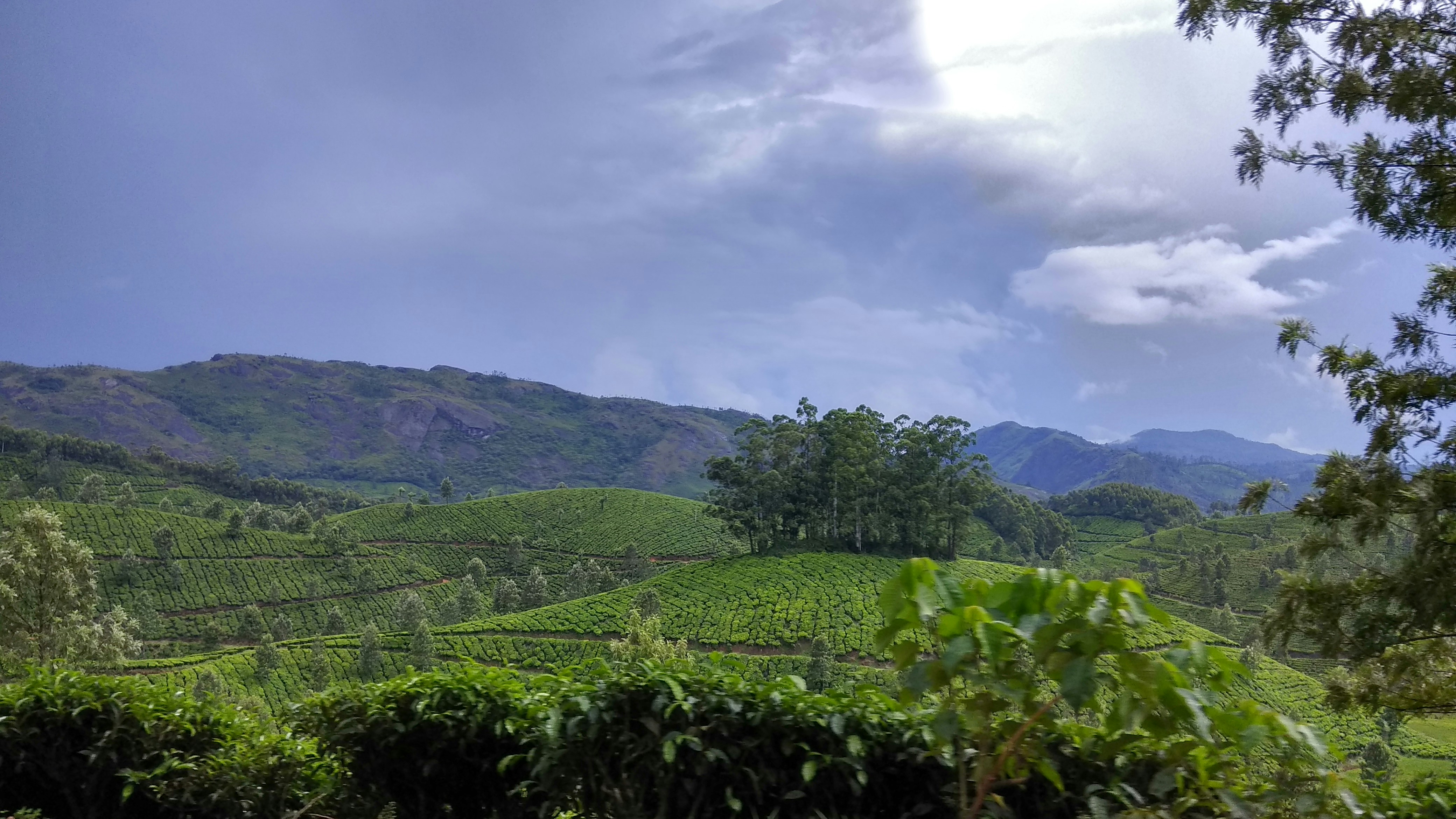
The Hill Country, celebrated for its lush plantations and cooler temperatures, is ideally explored between December and March. This period offers pleasant weather, perfect for activities like hiking, tea plantation tours, and visiting the picturesque towns of Nuwara Eliya and Ella. The scenic beauty of the hills, coupled with the vibrant flora, makes this season particularly special for travelers seeking both adventure and tranquility.

In contrast, the Coastal Regions are beautifully warm and inviting from November to April, with excellent conditions for beach-related activities. The southern and western coasts, including popular destinations like Galle and Bentota, boast stunning beaches and vibrant marine life. This timeframe also aligns with the whale watching season off the southern coast, making it a favorable period for nature enthusiasts.

Ultimately, selecting the right time to visit each region of Sri Lanka ensures an enriching experience filled with exploration, cultural immersion, and unforgettable memories. Understanding the seasonal variations allows travelers to plan their itineraries effectively, maximizing enjoyment in this beautiful island nation.

Conclusion: Making Your Decision

Choosing the best time to visit Sri Lanka involves several considerations, including climatic conditions, regional festivities, and personal preferences. Throughout this guide, we have highlighted various months that display unique characteristics suited for different types of travelers. For those seeking to indulge in cultural experiences, visiting during the local festivals, which typically occur between April and August, can significantly enhance the overall travel experience.

In contrast, if you prioritize enjoying beach vacations under clear skies, the months of December to March might be more appealing. During this period, coastal areas are at their best, providing the ideal setting for sunbathing, swimming, and engaging in water sports. Additionally, the dry season in the central highlands between December and March makes this time an excellent choice for hiking and exploring the scenic tea plantations.

It is essential to align your travel intentions with the seasonality of Sri Lanka, as this will greatly influence your experience. The country’s diverse climate zones mean that while one region may be experiencing monsoon rains, another could be basking in the sun. Personal interests play a crucial role in this decision-making process, whether it involves wildlife safaris, historical tours, or simply relaxing at the beach. Ultimately, determining the best month to visit hinges on weighing these factors against your individual expectations and interests.

By carefully considering the insights provided in this guide, you will be better equipped to make an informed decision. Tailoring your travel plans to match the seasonal attributes of Sri Lanka will undoubtedly enhance your experience, allowing you to fully appreciate the island’s rich cultural tapestry and natural beauty.

How Many Days is Enough for Sri Lanka

How Many Days is Enough for Sri Lanka? Find Your Perfect Trip Length

Imagine a country the size of Ireland, but packed with tropical beaches, ancient cities, lush tea plantations, and incredible wildlife. That’s Sri Lanka, a destination that captivates every traveler who sets foot on its shores. So, how many days do you need to experience it all? The short answer is: it depends. The right duration for your Sri Lankan adventure is a personal choice, influenced by your pace, budget, and travel desires.

While a short 5-day trip can offer a thrilling glimpse of the island’s highlights, a more immersive experience truly requires 10 to 14 days. This comprehensive guide will help you determine the ideal trip length for you and your travel companions, with detailed itineraries to match.

Factors to Consider Before You Book

Before you start counting days and booking flights, take a moment to consider these important factors:

  • Your travel pace: If you enjoy slow, leisurely travel, give yourself more time. The roads in Sri Lanka, especially in the hill country, can be winding and slow. Rushing from one destination to the next can mean spending more time in a car than on the beach.
  • Your priorities: Are you a beach bum, a culture vulture, a wildlife enthusiast, or a hiking addict? Sri Lanka offers all of these, but you may not be able to do everything in one short trip. Decide what is most important to you and build your itinerary around those experiences.
  • The season: Sri Lanka has two distinct monsoon seasons that affect different regions at different times. The west and south coasts are best visited from December to March, while the east coast shines from May to September. A longer trip offers more flexibility to chase the good weather.
  • Travel budget: A longer trip means a higher cost for accommodation, transport, and activities. While Sri Lanka is a relatively affordable destination, your budget will ultimately dictate how long you can stay.

Itinerary 1: The Express Tour (5–7 Days)

A shorter trip to Sri Lanka is best for first-timers who want a compact, focused experience. Instead of attempting a whirlwind tour of the entire island, it’s more rewarding to concentrate on one or two regions.

Who is this for?
Travelers with limited vacation time, those combining Sri Lanka with another destination, or budget-conscious explorers.

What you can do:

  • Day 1-2: Cultural Triangle highlights. Fly into Colombo and head directly to the Cultural Triangle. Spend one day climbing the iconic Sigiriya Rock Fortress and exploring the Dambulla Cave Temple complex.
  • Day 3: Scenic train to Kandy. Take the famed Kandy-to-Ella train ride for a few hours to witness the stunning tea plantations. Explore the historic city of Kandy, visiting the Temple of the Sacred Tooth Relic.
  • Day 4-5: Southern beaches. Drive south to unwind on the pristine beaches of Mirissa or Galle. Explore the charm of Galle Fort and catch some waves.
  • Day 6: Wildlife Safari. Experience a thrilling safari in Udawalawe National Park, known for its high elephant population, or Yala National Park for a chance to spot leopards.
  • Day 7: Departure. Head back to Colombo for your flight home.

The takeaway: This trip is fast-paced but hits many of Sri Lanka’s key highlights. Be prepared for a lot of driving and focus on the experiences you most want to have.

Itinerary 2: The Classic Loop (10 Days)

Ten days is a popular and ideal duration for many visitors. It allows for a more relaxed exploration of the island, hitting all the major spots with enough time to breathe between stops.

Who is this for?
First-time visitors who want a comprehensive introduction to Sri Lanka’s diverse offerings.

What you can do:

  • Day 1: Arrival & transfer to Sigiriya area. Land at Colombo airport and travel straight to the Cultural Triangle to settle in.
  • Day 2: Sigiriya & Dambulla. Climb Pidurangala Rock for a stunning sunrise view of Sigiriya, then explore the Dambulla Cave Temples in the afternoon.
  • Day 3: Ancient Polonnaruwa. Explore the ancient ruins of Polonnaruwa, a UNESCO World Heritage Site with well-preserved palaces and statues.
  • Day 4: Kandy. Journey south to Kandy, the island’s cultural hub. Visit the revered Temple of the Sacred Tooth Relic and enjoy a traditional dance performance.
  • Day 5: Kandy to Ella train. Board the famous blue train for the picturesque journey through the tea fields to Ella.
  • Day 6: Ella exploration. Hike to Little Adam’s Peak or Ella Rock for panoramic views of the hills. Walk along the iconic Nine Arch Bridge.
  • Day 7: Yala National Park Safari. Travel to Yala National Park for a wildlife safari, keeping an eye out for leopards, sloth bears, and elephants.
  • Day 8: South Coast (Mirissa). Head to the beautiful south coast and settle in Mirissa, a popular spot for surfing and relaxation.
  • Day 9: Galle Fort. Explore the historic colonial fort in Galle, a UNESCO World Heritage site full of characterful streets, boutiques, and cafes.
  • Day 10: Departure. A final morning in Galle before transferring back to Colombo for your flight.

The takeaway: This itinerary offers an excellent balance of culture, nature, and relaxation. The slightly slower pace means you’ll spend less time on the move and more time soaking in the atmosphere.

Itinerary 3: The Deep Dive (14+ Days)

For those with more time, a 14-day or longer trip is the ultimate way to experience Sri Lanka. It allows you to explore off-the-beaten-path destinations, spend more time in each place, and travel at a truly relaxed pace.

Who is this for?
Travelers who want a comprehensive, immersive experience, combining popular sights with hidden gems.

How to extend the classic 10-day itinerary:

  • Add more cultural sites: Spend an extra day in the Cultural Triangle to visit the vast and ancient city of Anuradhapura.
  • Explore the East Coast: Depending on the season (May–September), head to the east coast for quieter beaches and excellent surfing at Arugam Bay.
  • Deeper into the hill country: Spend more time trekking around Ella or exploring the colonial charm of Nuwara Eliya.
  • Relax and unwind: Add a couple of extra days on the south coast to do absolutely nothing but relax on the beach.
  • Venture to the north: For a unique and culturally distinct experience, travel north to Jaffna and explore its rich Tamil heritage.
  • Dive and snorkel: Head to Trincomalee on the east coast for excellent diving and snorkeling opportunities.

The takeaway: A longer trip transforms your journey from a simple tour into an immersive adventure. You will experience more of Sri Lanka’s diversity and leave feeling like you truly got to know the country.

Ready to Plan Your Adventure?Discover Sri Lanka Like Never Before!🌴
Ready for the vacation of a lifetime? 🏖️
Explore breathtaking beaches, ancient temples, misty mountains & rich culture — all in one unforgettable trip! 🌺

✅ Family Tours
✅ Honeymoon Packages
✅ Group Travel
✅ Fully Guided, Safe & Customizable

📍 Customizable Tour Plan now available!
📞 Limited slots – Reserve your dates now.

👉 DM us or tap WhatsApp below to plan your trip! +94 77 322 2110
📅 Book early & save up to 30%!
📍 exploreinlanka.com

So, how many days is enough for Sri Lanka? For a first-timer on a tight schedule, 7 days is a feasible express tour. For a richer, more balanced experience, 10 days is a sweet spot. And for those with the luxury of time, 14 days or more will allow you to savor every moment of this incredible island. Whatever your choice, Sri Lanka promises an unforgettable journey filled with warmth, wonder, and unforgettable memories.

sri-lanka-tour-package

2 Weeks in Sri Lanka Itinerary: The Ultimate First-Timer’s Guide

Why Choose Sri Lanka for Your Two-Week Trip?

Sri Lanka, often called the “Pearl of the Indian Ocean,” packs an incredible amount of diversity into a small island. In just 2 weeks in Sri Lanka, you can explore ancient ruins, climb misty mountains, spot wild elephants, and relax on pristine beaches. This two-week Sri Lanka itinerary is designed to give you a perfect blend of culture, nature, and relaxation, making sure you don’t miss any of the must-see highlights.

Getting Around: Your Sri Lanka Travel Budget & Tips

Navigating Sri Lanka is an adventure in itself, and it’s surprisingly affordable.

  • Average Daily Budget: For a comfortable, mid-range trip, plan for a budget of $50-$75 per person per day. This covers food, accommodation, transport, and activities.
  • Transport: The public transport network is extensive and cheap. Trains are scenic and iconic, especially the Kandy to Ella route. For short distances, tuk-tuks are everywhere; always agree on the price beforehand or use the PickMe app for a fair fare. For longer distances, a private driver is a comfortable and efficient option, costing around $50-$80 per day.
  • Best Time to Visit: The southwest coast and hill country are best from December to March, while the east coast is best from May to September. This itinerary focuses on the popular south and central regions, so December to March is ideal.

Your 2-Week Sri Lanka Itinerary: Day-by-Day

This itinerary is structured as a circular route, starting and ending near the main international airport, and is perfect for first-time visitors.

Days 1-2: Arrival & The Cultural Triangle

Arrive at Bandaranaike International Airport (CMB) and head straight to the Cultural Triangle, the heart of Sri Lanka’s ancient history.

  • Stay: Base yourself in Sigiriya or Habarana.
  • Must-Dos: Climb the iconic Sigiriya Rock Fortress, an ancient citadel with breathtaking views. Visit the Dambulla Cave Temple, a sacred site with intricate cave paintings and over 150 statues of Buddha.
  • Insider Tip: Skip the crowds at Sigiriya and hike Pidurangala Rock at sunrise for the best views of Lion Rock itself.

Days 3-4: Kandy & The Sacred Tooth

Travel to Kandy, the last capital of the ancient kings, and a hub of Sri Lankan culture.

  • Stay: Kandy offers a wide range of guesthouses and hotels.
  • Must-Dos: Visit the Temple of the Sacred Tooth Relic, Sri Lanka’s most important Buddhist site. Stroll around Kandy Lake and explore the bustling local markets.
  • Local Experience: Don’t miss a traditional Kandyan dance performance in the evening.

Days 5-6: Train to Ella & Tea Plantations

Take one of the most famous train rides in the world from Kandy (or a nearby station) to Ella, a small town nestled in the highlands.

  • Stay: Ella has a vibrant hostel and guesthouse scene.
  • Must-Dos: Hike to Little Adam’s Peak for panoramic views. Visit the Nine Arch Bridge, a stunning railway masterpiece. Explore a local tea factory to learn about the process of making Ceylon tea.

Days 7-8: Safari Adventure at Udawalawe

Head south for a thrilling wildlife safari in Udawalawe National Park.

  • Stay: Book a safari lodge near the park for an early start.
  • Must-Dos: Take an early morning jeep safari to spot wild elephants, crocodiles, water buffalo, and a variety of birds.

Days 9-11: Galle Fort & Coastal Charm

Continue your journey to the historic city of Galle, a beautiful colonial gem.

  • Stay: Find a boutique hotel within the walls of Galle Fort.
  • Must-Dos: Walk the ancient fort ramparts at sunset. Explore the cobbled streets filled with boutique shops, art galleries, and cafes. Visit the iconic Galle Lighthouse and enjoy a peaceful afternoon at the beach.

Days 12-13: Beach Time in Mirissa

Travel to Mirissa, one of Sri Lanka’s most popular beach towns, for some well-deserved relaxation.

  • Stay: Mirissa has everything from hostels to luxury resorts.
  • Must-Dos: Head out on a whale watching tour to spot blue whales and dolphins. Relax on the golden sands and visit the famous Coconut Tree Hill for a perfect photo opportunity.
  • High-Value Tip: Book your whale watching tour and accommodations in advance for the best deals!

Day 14: Colombo & Departure

Head to Colombo for your final day.

  • Must-Dos: Explore the Dutch Hospital Precinct for some final souvenirs and a nice meal. Visit the Gangaramaya Temple before heading to the airport for your flight home.
Is Sri Lanka-visa free for Indians

Is Sri Lanka visa free for Indians?

Yes, as of September 2025, Sri Lanka is effectively visa-free for Indian citizens. The Sri Lankan government has an active free visa scheme for tourists from India and several other countries. However, this does not mean you can simply board a flight with your passport. A crucial online step is required.

The “free visa” policy means that Indians are exempt from paying the visa processing fee. You are still required to obtain a free Electronic Travel Authorization (ETA) before you travel.

Think of it as your free ticket to enter, but you still need to get that ticket online before you leave home.

Understanding the “Free Visa” vs. ETA: What Indian Travelers Must Know

This is the most critical point for any Indian planning a trip to the Emerald Isle. The policy can be confusing, but it’s simple when broken down:

  • Traditional Visa: A formal document or stamp in your passport, often requiring a lengthy application and a significant fee.
  • Sri Lanka’s Policy for India: The visa fee is waived. Instead of a full visa, you apply for an Electronic Travel Authorization (ETA).
  • Electronic Travel Authorization (ETA): This is a mandatory online pre-approval for your travel. For Indians, the ETA application is currently free of charge. You cannot board your flight to Sri Lanka without a valid ETA confirmation.

Bottom Line: For a smooth journey, every Indian tourist must apply for and receive their free ETA before leaving for Sri Lanka.

How to Apply for the Free Sri Lanka ETA for Indians (Step-by-Step Guide)

Getting your free ETA is a straightforward online process. Follow these steps carefully to avoid any last-minute issues.

  1. Visit the Official Government Website: The only official website to get your Sri Lanka ETA is www.eta.gov.lk. Be wary of third-party websites that may look official but charge unnecessary service fees.
  2. Select the Application Language: Choose your preferred language to begin the process.
  3. Fill in the Application Form: You will need to provide basic information, including:
    • Full Name (as it appears on your passport)
    • Passport Number, Issue Date, and Expiry Date
    • Date of Birth and Nationality
    • Your intended travel dates and purpose of visit (select Tourism).
    • A valid email address (this is where your ETA confirmation will be sent).
  4. Submit and Confirm: Review your application for any errors. Since the scheme is free for Indians, you should not be directed to a payment gateway. Submit the form.
  5. Receive Your ETA Approval: Approval is often granted within minutes or hours, but it’s wise to apply at least 48-72 hours before your flight. You will receive a confirmation email with your ETA number.

Pro Tip: Take a printout of your ETA approval email. While it’s electronically linked to your passport, having a physical copy is recommended by immigration authorities.

Checklist of Documents for Traveling to Sri Lanka from India

Once your free ETA is approved, ensure you have the following documents ready for a smooth immigration process upon arrival at Colombo’s Bandaranaike International Airport (CMB) or other ports of entry.

  • Valid Passport: Must have at least six months of validity from your date of entry into Sri Lanka.
  • Printed ETA Approval: Your confirmation document.
  • Confirmed Return Ticket: Proof that you intend to leave Sri Lanka within the permitted timeframe.
  • Proof of Funds: You may be asked to show you have sufficient funds to cover your expenses during your stay.
  • Proof of Accommodation: It is advisable to carry a printout of your hotel bookings.

Frequently Asked Questions (FAQs)

Q: How long is the free Sri Lankan visa valid for? A: The free ETA for tourists typically allows a stay of up to 30 days and permits double entry, meaning you can enter the country twice within that 30-day period.

Q: Can I get a visa on arrival in Sri Lanka as an Indian? A: While visa-on-arrival facilities exist, the primary and recommended method is to get your ETA online before you travel. The “on-arrival” process can involve long queues, and under the current “free visa” scheme, applying for the ETA beforehand is the intended process.

Q: Is the free visa policy permanent? A: The current policy was launched as a pilot program to boost tourism and has been extended. However, visa policies can change. Always check the official ETA website (eta.gov.lk) for the most current information before booking your travel.

Q: What if I need to stay longer than 30 days? A: If you wish to stay longer, you can apply for an extension while in Sri Lanka by visiting the Department of Immigration and Emigration head office in Colombo. This extension will incur a fee.

By securing your free ETA online, you can look forward to a seamless start to your Sri Lankan adventure, from the ancient wonders of Sigiriya to the beautiful beaches of the south coast.

srilanka-tour-package

Is Sri Lanka Better Than Bali? A Complete Travel Comparison

Planning a tropical getaway and confused between Sri Lanka and Bali? You’re not alone. Both destinations are paradise-like, offering sun, sand, culture, and adventure. But which one is better for you? Let’s dive into a detailed comparison to help you decide.

Sri Lanka vs Bali: A Quick Overview

Location and Accessibility

Sri Lanka sits in the Indian Ocean, just south of India, while Bali is an Indonesian island. Flights to Bali are usually longer for Europeans but shorter for Australians. Sri Lanka, on the other hand, is closer for Middle Eastern and South Asian travelers.

General Vibe and Atmosphere

Bali screams “tourist hotspot,” with a mix of spirituality and party vibes. Sri Lanka, however, feels raw and authentic, offering a mix of ancient culture and modern touches without being overly commercial.


Culture and Heritage

Sri Lanka’s Cultural Depth

Sri Lanka is home to 2,000+ years of history. From the sacred city of Anuradhapura to the Temple of the Tooth in Kandy, it’s a history lover’s dream.

Bali’s Spiritual Charm

Bali shines with its Hindu temples, rice terraces, and ceremonies. The island feels spiritual, with offerings placed outside every home and temple.

Festivals and Traditions

Sri Lanka celebrates Vesak and Sinhala-Tamil New Year, while Bali is famous for Nyepi (Day of Silence) and cultural dance festivals.


Natural Beauty

Beaches in Sri Lanka vs Bali

Bali is known for beaches like Kuta and Seminyak, perfect for surfing and nightlife. Sri Lanka offers a wider variety—Arugam Bay for surfers, Unawatuna for relaxation, and Trincomalee for crystal-clear waters.

Mountains, Waterfalls, and Landscapes

Sri Lanka has lush tea plantations, rolling hills, and waterfalls. Bali has rice terraces and volcanic landscapes like Mount Batur.

Wildlife Encounters

Sri Lanka easily wins here—it’s one of the best places in Asia to spot elephants, leopards, and whales. Bali is more about marine life than land animals.


Adventure and Activities

Surfing and Water Sports

Both are great, but Bali is busier, while Sri Lanka has more laid-back surf towns.

Hiking and Trekking

Sri Lanka offers hikes like Adam’s Peak and Ella Rock. Bali has Mount Agung and Mount Batur treks.

Yoga and Wellness Retreats

Bali dominates in yoga culture, with Ubud being the global hub. Sri Lanka is catching up but on a smaller scale.


Food and Culinary Experience

Sri Lankan Cuisine

Spicy, flavorful, and coconut-rich—think rice & curry, hoppers, and seafood feasts.

Balinese Cuisine

Balinese food is more diverse, with dishes like Nasi Goreng, Satay, and Babi Guling.

Vegetarian and Vegan Options

Both are vegetarian-friendly, but Bali caters more to international vegan trends.


Accommodation Choices

Luxury Resorts

Bali boasts hundreds of luxury resorts and villas with infinity pools. Sri Lanka has fewer but offers stunning beachfront properties.

Budget Stays

Sri Lanka is slightly cheaper overall. Backpackers will find more affordable hostels here than in Bali.

Unique Homestays and Villas

Both countries offer unique homestays. In Bali, private pool villas are everywhere, while Sri Lankan homestays give you a family-like warmth.


Nightlife and Entertainment

  • Bali: Nightclubs, beach parties, and music festivals.
  • Sri Lanka: More relaxed nightlife, with beachside bars and fire shows.

Shopping and Souvenirs

What to Buy in Sri Lanka

Tea, spices, batik fabrics, and gemstones.

What to Buy in Bali

Handicrafts, wooden carvings, jewelry, and clothing.


Ease of Travel

Transportation Options

Bali has better infrastructure with taxis, scooters, and ride-hailing apps. Sri Lanka’s trains are scenic but slower.

Infrastructure and Connectivity

Sri Lanka is developing, while Bali is already highly tourist-ready.


Cost of Traveling

  • Sri Lanka: Cheaper for accommodation, food, and transport.
  • Bali: More options, but mid-range to luxury can get expensive.

Tourist Crowds

Bali attracts millions every year, making popular spots crowded. Sri Lanka offers a quieter experience, except in hotspots like Galle and Kandy.


Safety and Hospitality

Both destinations are safe. Sri Lankans are known for their warm hospitality, while Balinese are equally friendly but accustomed to heavy tourism.


Best Time to Visit

  • Sri Lanka: December to April for the south/west, May to September for the north/east.
  • Bali: April to October is the dry season, ideal for travel.

Which Destination Should You Choose?

  • For Honeymooners: Bali (luxury villas and romantic beaches).
  • For Adventure Lovers: Sri Lanka (wildlife, hiking, and diverse landscapes).
  • For Cultural Explorers: Both, but Sri Lanka offers deeper historical roots.

Conclusion

So, is Sri Lanka better than Bali? It depends on what you’re looking for. If you want luxury, yoga, and vibrant nightlife—Bali wins. But if you’re after culture, wildlife, and authenticity—Sri Lanka is hard to beat.

Both are gems, but your travel style will decide the winner.


FAQs

1. Is Sri Lanka cheaper than Bali?
Yes, Sri Lanka is generally more budget-friendly for food, transport, and accommodation.

2. Which is better for a honeymoon—Bali or Sri Lanka?
Bali is better for luxury honeymoons, while Sri Lanka suits couples who want adventure and culture.

3. Can I surf in both Sri Lanka and Bali?
Absolutely! Both are surfing hotspots, but Bali is more crowded.

4. Which destination has better food?
Depends on your taste—Sri Lanka for spicy curries, Bali for diverse and international-friendly options.

5. Is Sri Lanka safer than Bali?
Both are safe for tourists, but Sri Lanka offers a calmer environment with fewer crowds.

Best Time to Visit Sri Lanka, Travel Duration & Visa Guide for Indian Tourists

Best Time to Visit Sri Lanka, Travel Duration & Visa Guide for Indian Tourists

Introduction

Sri Lanka, often called the Pearl of the Indian Ocean, is one of the most diverse and enchanting travel destinations close to India. From golden beaches and lush green tea estates to ancient temples and vibrant wildlife, this island country offers everything a traveler dreams of.

But before planning your trip, you might be asking: Which month is best to visit Sri Lanka? Is 7 days enough? Do Indians need a visa, or is it visa-free? Don’t worry—I’ve got you covered. Let’s dive deep into all these questions step by step.


Best Time to Visit Sri Lanka

Understanding Sri Lanka’s Climate

Sri Lanka has a tropical climate, but here’s the twist—it doesn’t follow a single weather pattern like many countries. Instead, it experiences two monsoon seasons, making it a year-round travel destination depending on which side of the island you visit.

Two Monsoon Seasons Explained

  • Southwest Monsoon (May–September): Brings rain to the west and south coasts, including Colombo, Galle, and Bentota.
  • Northeast Monsoon (October–January): Affects the east coast and northern regions like Trincomalee and Jaffna.

Weather Variations by Region

  • West & South Coast + Cultural Triangle (Colombo, Galle, Kandy, Sigiriya): Best from December to March.
  • East Coast (Trincomalee, Arugam Bay, Batticaloa): Best from April to September.

Best Months for a Sri Lanka Trip

December to March – West & South Coasts + Cultural Triangle

Perfect if you want to explore Colombo, Kandy, Nuwara Eliya, Galle Fort, and enjoy whale watching in Mirissa.

April to September – East Coast Exploration

Ideal for surfing in Arugam Bay, snorkeling in Trincomalee, and enjoying less crowded beaches.

Off-Season Travel – Pros & Cons

  • Pros: Lower hotel prices, fewer tourists.
  • Cons: Rain showers and rough seas in some areas.

Is 7 Days Enough for Sri Lanka?

Absolutely yes! A week is enough to cover major highlights if you plan smartly.

Planning a 7-Day Itinerary

  • Culture Lovers: Explore Sigiriya, Dambulla, Kandy, and Anuradhapura.
  • Beach Lovers: Relax at Bentota, Mirissa, or Arugam Bay.
  • Adventure Seekers: Try Yala National Park safari, Ella train ride, and hill country hikes.

Suggested 7-Day Travel Routes

Itinerary 1 – Heritage + Wildlife + Beach

  • Day 1-2: Colombo → Sigiriya & Dambulla
  • Day 3: Kandy & Temple of the Tooth
  • Day 4: Nuwara Eliya tea plantations
  • Day 5: Ella train ride & Nine Arch Bridge
  • Day 6: Yala National Park safari
  • Day 7: Galle + beach time

Itinerary 2 – East Coast Adventure

  • Colombo → Trincomalee → Arugam Bay → Batticaloa → Return to Colombo.

Itinerary 3 – Scenic Train Rides & Hill Country

Perfect for nature lovers—cover Kandy, Nuwara Eliya, Ella, and Haputale.


Sri Lanka Visa for Indian Tourists

Do Indians Need a Visa for Sri Lanka?

Yes, but it’s very simple. Indians must apply for an ETA (Electronic Travel Authorization) before traveling.

The ETA (Electronic Travel Authorization) Process

  • Apply online
  • Pay the small fee
  • Get approval within 24–48 hours

Is Sri Lanka Visa Free for Indian Tourists?

Currently (2025), Sri Lanka has offered temporary visa-free entry for Indian tourists under a government initiative to boost tourism. However, policies change, so always check the official site before booking.

How to Apply for a Sri Lanka Visa Easily

Documents Required

  • Valid passport (6-month validity)
  • Return ticket proof
  • Hotel booking confirmation

Visa Fees & Processing Time

Normally costs around $20–30 for Indians, processed in 1–2 days.


Travel Tips for Indian Tourists Visiting Sri Lanka

Currency & Expenses

  • Currency: Sri Lankan Rupee (LKR)
  • Average budget: ₹4,000–₹6,000 per day for mid-range travelers

Food & Culture

  • Must-try: Kottu roti, hoppers, seafood curries
  • Culture tip: Dress modestly when visiting temples

Transport & Connectivity

  • Trains are scenic but slow—book early for the Kandy-Ella route
  • Tuk-tuks are common, but negotiate fares

Safety & Travel Etiquette

  • Sri Lanka is safe for Indian tourists
  • Avoid political discussions, respect local customs

Conclusion

So, which month is best to visit Sri Lanka? Well, it depends on the coast you want to explore—but December to March and April to September cover most highlights. Is 7 days enough? Definitely, if you plan well. And the visa process for Indians? Hassle-free, and sometimes even visa-free depending on government updates.

Sri Lanka is one of those places that feels like home yet surprises you with new experiences at every turn. Whether you’re there for beaches, culture, or adventure, this little island promises a big travel story.


FAQs

1. What is the cheapest month to visit Sri Lanka?
May and June are usually the cheapest months due to off-season discounts.

2. Can Indians travel to Sri Lanka without a passport?
No, a valid passport is mandatory.

3. Is Sri Lanka expensive compared to India?
It’s slightly more expensive, but still budget-friendly compared to Western destinations.

4. What are the must-visit places in Sri Lanka?
Sigiriya, Kandy, Ella, Mirissa, Galle Fort, and Trincomalee.

5. How many days are ideal for a Sri Lanka trip?
7–10 days is perfect to cover most highlights without rushing.

Travelling to Sri Lanka from South India What to Expect and Essential Tips

Travelling to Sri Lanka from South India | What to Expect and Essential Tips

Why South Indians Should Visit Sri Lanka

Nestled in the Indian Ocean, Sri Lanka is just a short flight away from South India and offers a perfect mix of heritage, beaches, wildlife, and culture. With Tamil widely spoken in many regions and shared traditions in festivals, food, and architecture, South Indians immediately feel connected while exploring this diverse island nation.


Best Time to Visit Sri Lanka

  • December to March – Most pleasant (dry and sunny), best for beaches and sightseeing.
  • Avoid Monsoons – Southwest monsoon (May–September) and northeast monsoon (October–January) bring heavy rainfall to different parts of the island.

👉 Plan your trip during the dry season for the most enjoyable experience.


Visa & Travel Requirements for Indians

For Indian tourists, Sri Lanka has a simple Electronic Travel Authorization (ETA) system:

  • Apply online for approval (usually within 24 hours).
  • Valid for 30 days, extendable up to 6 months.
  • Passport should be valid for at least 6 months.
  • Carry return tickets and ID documents.
  • Kids under 16 require birth certificates.

Top Attractions in Sri Lanka

1. The Cultural Triangle

  • Anuradhapura – Ancient capital with stupas and monasteries.
  • Polonnaruwa – Historical ruins and temples.
  • Sigiriya Rock Fortress – Iconic UNESCO site and palace in the skies.
  • Dambulla Cave Temple – 2,000-year-old caves with intricate Buddhist art.

2. Beaches & Coastal Escapes

  • Unawatuna – Calm waters for swimming.
  • Mirissa – Whale watching & snorkelling hotspot.
  • Bentota – Water sports and golden sandy stretches.

3. Hill Country & Scenic Tea Estates

  • Ella – Trekking trails like Little Adam’s Peak.
  • Nuwara Eliya – Nicknamed “Little England” for its colonial charm.
  • Horton Plains – Famous for World’s End cliff viewpoints.

4. Wildlife & Safaris

Sri Lanka’s national parks like Yala and Udawalawe offer thrilling safaris where you can spot elephants, leopards, and rare birds.


  • Language: Tamil is widely spoken in the north and east of Sri Lanka.
  • Festivals: The Sinhalese New Year coincides with Tamil New Year.
  • Religion: Buddhist practices share similarities with Hindu rituals.
  • Architecture: Temples like Sigiriya and Dambulla resemble South Indian rock-cut artistry.

Food You Must Try in Sri Lanka

  • Rice & Curry – The national staple, served with vegetable or meat curries.
  • Hoppers (Appam) – Crispy, bowl-shaped pancakes with egg or sambal.
  • Kottu Roti – Street food made with shredded roti, spices, and meat.
  • Seafood Curries – Fresh fish, prawn, and crab curries.
  • Ceylon Tea – World-famous, best experienced at a plantation.

Packing Tips for Your Trip

  • Light cotton clothes for the tropical weather.
  • Insect repellent for mosquitoes.
  • Travel adapters (Types D & G).
  • First-aid kit with essentials for safe travel.

Final Thoughts

For South Indian travellers, Sri Lanka provides both comfort and adventure: ancient ruins that echo shared history, pristine beaches, lush tea mountains, and a cuisine that feels familiar yet exciting. Whether it’s a short getaway or a longer cultural journey, Sri Lanka is a destination where heritage and holiday blend beautifully.