

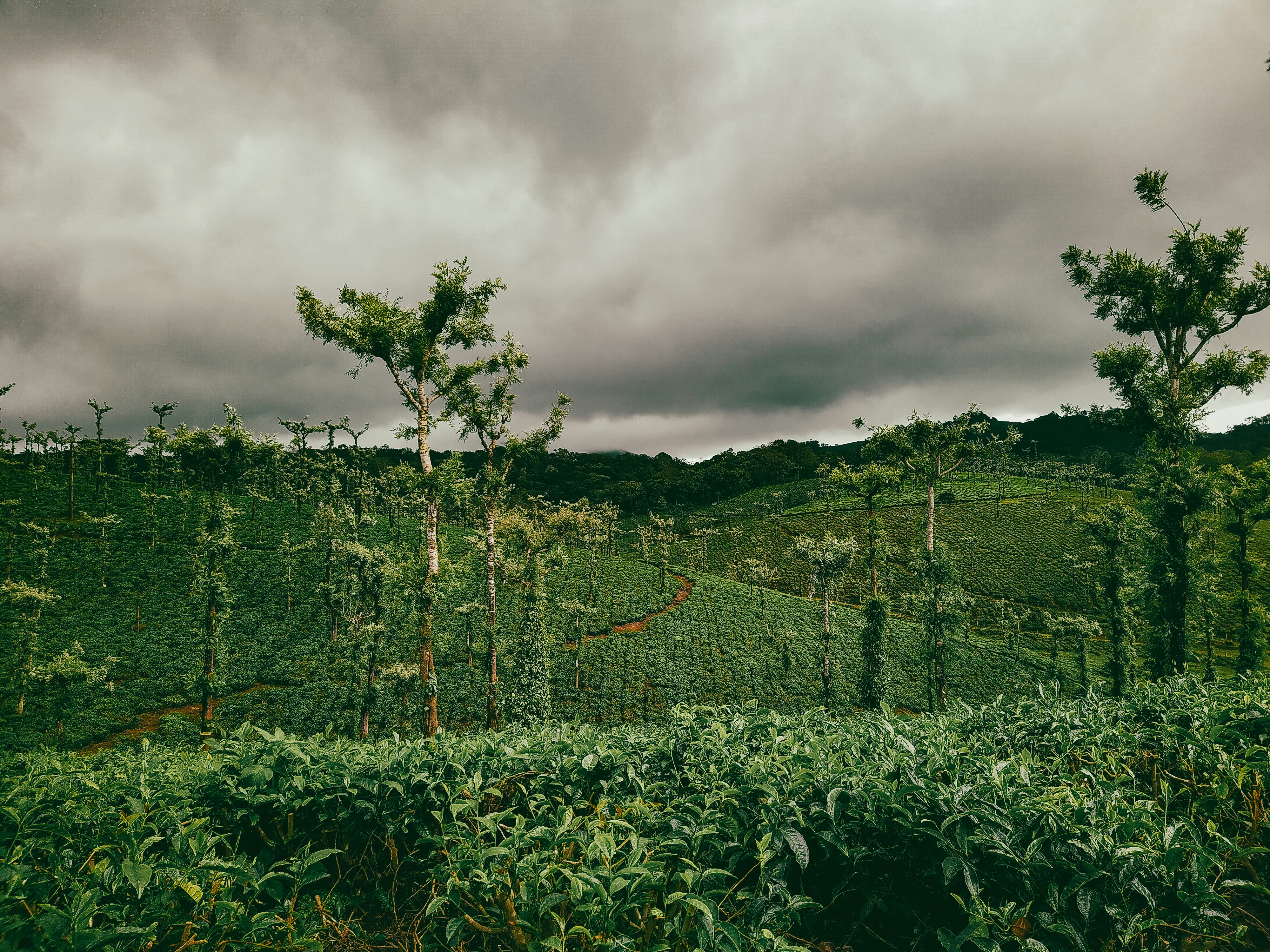
Introduction to Sri Lanka’s Climate
Sri Lanka, an island nation located in the Indian Ocean, is characterized by a tropical climate that significantly influences its ecological diversity and cultural practices. The climate is primarily defined by its two distinct monsoon seasons, the southwest monsoon from May to September and the northeast monsoon from December to February. These monsoons contribute to the general weather patterns, including temperature fluctuations and humidity variations throughout the year.
The average temperature in Sri Lanka generally ranges between 27°C and 32°C (80°F to 90°F) in coastal regions, while interior regions can experience even higher temperatures. However, during certain months, such as December and January, a noticeable drop in temperatures can be observed, particularly in the highland areas. This seasonal coolness is a result of geographical elevation and varying wind patterns. Additionally, factors such as proximity to the ocean and altitude play a significant role in temperature and humidity levels, creating microclimates across the island.
Humidity levels in Sri Lanka are typically high, often exceeding 70%, due to the considerable amounts of rainfall brought by the monsoon seasons. High humidity contributes to the lush vegetation and diverse ecosystems present in the country. Nevertheless, areas that experience cooler weather during specific months may offer a reprieve from the usual humidity, making it a significant factor for visitors and residents alike. Understanding the overarching climate framework is essential for grasping the nuances tied to Sri Lanka’s coldest month, allowing for informed travel planning and local engagement.
Understanding Climate Zones in Sri Lanka
Sri Lanka, an island nation located in the Indian Ocean, showcases a remarkably diverse range of climate zones influenced by its geographical features and topographical variations. The country’s climate is primarily categorized into three distinct zones: coastal areas, hill country, and dry zones. Each zone exhibits unique temperature patterns and climatic conditions, which can significantly affect local weather.
The coastal areas of Sri Lanka experience a tropical climate, characterized by warm temperatures and high humidity throughout the year. This region, which includes popular tourist destinations such as Colombo and Galle, tends to have minimal temperature fluctuations, with average daily temperatures generally hovering around 27-32°C. However, during the colder months, typically from December to February, these coastal regions undergo slight temperature drops, marking the coldest month for many, albeit not significantly cold by global standards.
In stark contrast, the hill country of Sri Lanka—home to the famed tea plantations and picturesque landscapes—experiences a cooler temperate climate due to its elevated altitude. As the elevation increases, temperatures can significantly decrease, with areas like Nuwara Eliya and Kandy often witnessing average temperatures ranging from 10-20°C during their coldest month, typically in January. The cooler climate in these regions is notably influenced by geographical elevation, showcasing the stark divide within the island’s climatic zones.
Additionally, Sri Lanka encompasses dry zones primarily located in the northern and eastern parts of the country. These areas experience arid conditions, with temperatures often exceeding 30°C during the day. Rainfall is significantly less prevalent than in other regions, and during the colder months, a slight respite can be observed, yet the temperatures remain comparatively high, emphasizing the climatic diversity present within the nation. Understanding these climate zones is essential for identifying the coldest month in various regions of Sri Lanka, enabling residents and visitors alike to prepare adequately for varying weather conditions.
Monthly Temperature Trends in Sri Lanka
Sri Lanka, known for its tropical climate, experiences a diverse range of temperatures throughout the year. The island’s climatic variations can be attributed to its geographical location and topography. Generally, the average monthly temperatures exhibit a consistent pattern, influenced by the monsoon seasons and altitudinal changes across different regions. This section aims to outline the average temperatures for each month and highlight the trends indicating cooler weather during certain periods.
Typically, the warmest months in Sri Lanka occur from March to May, with average temperatures ranging between 28°C to 32°C. As the southwest monsoon sets in by May, temperatures begin to moderate slightly, creating a transitional phase into cooler weather. June and July often experience average temperatures of 27°C to 30°C, making them relatively more pleasant due to increased rainfall and cloud cover.
As we move into August and September, the weather remains temperate, with averages still hovering around 27°C. However, it is during October that you may start to notice a more significant dip in temperatures. The misty highlands begin to experience cooler conditions, particularly in regions such as Nuwara Eliya, where the average temperature can plummet to around 18°C. November heralds the official onset of the cooler season in much of the country, with average temperatures ranging from 24°C to 28°C.
December and January mark the peak of the cooler months in Sri Lanka, especially in the central highlands, where temperatures can drop even lower. On the coast, the average temperature remains mild, featuring averages of 25°C to 27°C. These temperature trends not only illustrate the colder months in the country but also reflect the varying climate zones, influencing tourism and agriculture. Understanding these patterns is vital for both residents and visitors seeking to enjoy the country’s unique climate.
Identifying the Coldest Month: December to February
Sri Lanka, known for its tropical climate, experiences variations in temperature influenced by geographical factors and seasonal changes. Typically, the coldest months in Sri Lanka range from December to February. During this period, temperatures across the island can lower to more moderate levels, providing a respite from the usual warm conditions. The average temperatures for these months generally hover around 20°C to 26°C in the highland areas, particularly in places like Nuwara Eliya and Kandy, which are renowned for their cooler climates.
One of the primary contributors to these lower temperatures is the northeastern monsoon, which affects Sri Lanka between November and February. This monsoon brings moisture-laden winds that lead to increased cloud cover and precipitation in several regions, particularly in the northeast of the country. The presence of clouds not only contributes to rainfall, but it also acts to insulate the surface, preventing the sun’s heat from significantly raising temperatures during the day. Additionally, the cooler nights are a result of reduced solar heating as the sun’s position changes during these months.
Geographic variations also play a significant role in determining the coldest month. The central highlands of Sri Lanka experience significant temperature drops compared to the coastal areas. Locations such as Ella and Horton Plains can experience particularly chilly conditions as altitudes increase. In contrast, the low-lying coastal regions maintain a warmer temperature, often ranging from 24°C to 30°C. Consequently, while December to February marks the coldest period in Sri Lanka, it is essential to acknowledge how regional factors influence individual experiences of temperature during these months, creating a unique climate dynamic across the island.
Regional Variations in Coldest Month Experience
The experience of the coldest month in Sri Lanka can notably differ depending on the region, as geographical features influence local weather patterns and climates. One of the most significant areas is the Hill Country, renowned for its cooler temperatures and misty landscapes. During the coldest month, typically in January, the temperatures in places like Nuwara Eliya and Ella can drop to around 10°C (50°F) at night, making it essential for locals and tourists alike to dress warmly. This sudden drop in temperature draws tourists looking to escape the heat of the coastal regions, often leading to increased local business for lodging and cuisine tailored to the colder climate.
In contrast, the Coastal Areas of Sri Lanka generally maintain a warmer climate even during the coldest month. Cities such as Colombo and Galle experience mild weather, with average temperatures ranging from 24°C to 30°C (75°F to 86°F). The relatively stable and pleasant climate attracts a multitude of tourists seeking sun and beach activities, ensuring that coastal tourism remains robust year-round. The warm waters of the Indian Ocean continue to entice beachgoers and water sports enthusiasts despite the calendar marking the coldest month.
Furthermore, the Northern region of Sri Lanka, particularly areas such as Jaffna, can also present unique characteristics during this time. While it may not chill to the extent of the Hill Country, January still sees a mild coolness with average temperatures around 22°C (72°F). This provides a refreshing environment for the local populace and visiting tourists, who explore cultural sites and enjoy community gatherings. In summary, understanding these regional variations is crucial for comprehending how the coldest month in Sri Lanka facilitates different lifestyles and activities across the island, impacting both daily life and tourism significantly.
Cultural and Seasonal Significance of the Coldest Month
In Sri Lanka, the coldest month typically falls in December, aligning with the onset of the northeast monsoon season. This month not only marks a significant climatic shift but also plays a vital role in the rich tapestry of Sri Lankan culture. The cooler temperatures, particularly in the hill country, influence various cultural events and festivals that resonate with both locals and tourists alike.
One of the prominent festivals celebrated during this time is the Christmas festival, where cities are adorned with vibrant decorations, and various community events take place. In Sri Lanka, a majority of the population embraces this festive spirit, regardless of religious affiliation, thereby enhancing the sense of communal harmony. The cooler evenings provide a perfect backdrop for social gatherings, family reunions, and festive celebrations that take place across the island.
Additionally, the agricultural practices in Sri Lanka are notably shaped by the colder weather. Farmers typically initiate the harvesting of crops such as paddy, which flourishes in the cooler temperatures. This period marks a pivotal time for agricultural festivals, where communities celebrate their yields and pay homage to their farming traditions. One such festival is the “Pongal,” which is primarily celebrated in January, yet its preparation begins in the colder months, reflecting the integral connection between culture and climate.
Tourism also flourishes during this period as visitors are drawn to the cooler weather, providing a welcome respite from the tropical heat experienced in earlier months. Places like Nuwara Eliya, often referred to as ‘Little England’, witness an influx of tourists seeking to experience the unique local culture interwoven with seasonal festivities. Such interactions promote a deeper understanding of Sri Lankan traditions, further enriched by the cooler climate. Overall, the cultural and seasonal significance of the coldest month in Sri Lanka transcends mere temperature, impacting agriculture, community events, and tourism in profound ways.
Traveling to Sri Lanka During the Coldest Month
Travelers considering a visit to Sri Lanka during its coldest month can expect a unique experience, characterized by pleasant weather and a range of engaging activities. The coldest month typically occurs in December, when temperatures dip slightly, particularly in the higher altitudes. During this time, the average temperature in lowland areas hovers around 25°C (77°F), while mountainous regions might experience cooler temperatures dropping to as low as 10°C (50°F). This weather provides a refreshing break from the tropical heat, making it an ideal period for exploration.
When planning your itinerary, it is advisable to focus on exploring the hill country, specifically regions such as Nuwara Eliya and Ella. Known for their breathtaking landscapes, tea plantations, and cool breezes, these areas offer numerous trekking opportunities. Additionally, visiting waterfalls like the famous Nine Arches Bridge can be incredibly rewarding amid the cooler climate. In contrast, cities like Kandy and Galle are also worth visiting as they provide rich cultural experiences that are more enjoyable in the milder temperatures.
Outdoor activities such as hiking, wildlife safaris in Yala National Park, and visits to ancient temples are particularly pleasant when temperatures are cooler. December is also an excellent month for enjoying Sri Lanka’s diverse flora and fauna, as many animals are more active during this period. Travelers will appreciate engaging in these scenic adventures while avoiding the oppressive heat typically associated with summer months.
In preparation for your trip, it’s important to bring layers, as the temperature can vary significantly between day and night. Enjoying Sri Lanka during its coldest month can provide travelers with an enriching experience, highlighting the country’s natural beauty and cultural richness.
Impact of Climate Change on Temperature Patterns
Climate change is an ever-evolving global phenomenon, and its impact on temperature patterns is particularly pronounced in regions like Sri Lanka. Traditionally, December is considered the coldest month, with average temperatures typically hovering between 17°C and 25°C. However, recent observations and scientific studies indicate shifts in these established patterns, attributed primarily to climate change influences.
According to the Sri Lankan Meteorological Department, rising global temperatures have led to noticeable changes in weather patterns, including an increase in average temperatures throughout the year. Data from the past few decades suggest that the transitional seasons, namely the inter-monsoon periods and winter months, are being affected significantly. Warmer temperatures during these times may result in former cold months being redefined, potentially leading to variations in what is now understood to be the coldest month in Sri Lanka.
Additionally, seasonal rainfall patterns have also been altered. The island has experienced erratic rainfall, with more intense and frequent showers in some areas and drought conditions in others. This unpredictability correlates with rising climate variability and has implications for agricultural productivity, biodiversity, and overall environmental health. The Intergovernmental Panel on Climate Change (IPCC) suggests that, without significant mitigation efforts, the average temperature in Sri Lanka could rise by up to 1.5°C to 2°C by the year 2050.
Future projections indicate that even slight changes in temperature, alongside altered precipitation patterns, may lead to shifts in ecosystems and habitats. These changes could affect local flora and fauna and potentially alter human comfort levels during what is currently seen as the cooler season. As awareness of climate change grows, it is crucial to monitor these variations closely to understand their broader implications on climate patterns in Sri Lanka.
Conclusion: Embracing the Coldest Month in Sri Lanka
The coldest month in Sri Lanka offers a unique perspective on the country’s climate and cultural landscape. Typically occurring in January, this month is characterized by cooler temperatures, particularly in the highlands and mountainous regions, which significantly differ from the tropical weather that most visitors associate with the island. The lower temperatures provide an ideal backdrop for exploring the diverse flora and fauna, as well as engaging in outdoor activities such as hiking, which are particularly appealing during this time.
Culturally, the colder month serves as a time of celebration for various festivals, where locals take pride in showcasing their heritage through dances, music, and traditional food. Events during this month allow visitors to immerse themselves in authentic Sri Lankan culture, offering a chance to connect with local customs and traditions that may not be as prominent in the warmer months. Experiencing the vibrant local festivities amid cooler climates adds another layer to understanding the rich cultural tapestry of Sri Lanka.
Traveling to Sri Lanka during its coldest month not only presents a different climate but also an opportunity to enjoy the country’s natural beauty in a more comfortable setting. Visitors can take advantage of the pleasant weather to explore lush tea plantations, serene landscapes, and stunning architecture while avoiding the sweltering heat typical of other times of the year. This time of year can enhance the overall travel experience, making it memorable for both adventure seekers and cultural enthusiasts alike.
In conclusion, embracing the coldest month in Sri Lanka allows one to appreciate the distinct seasonal variations that impact life on the island. This period highlights the importance of climate in shaping cultural practices and travel experiences, inviting travelers to explore an often-overlooked facet of Sri Lankan life. Whether it’s through witnessing traditional celebrations or enjoying outdoor activities, the colder month is indeed a noteworthy time to visit this captivating destination.